
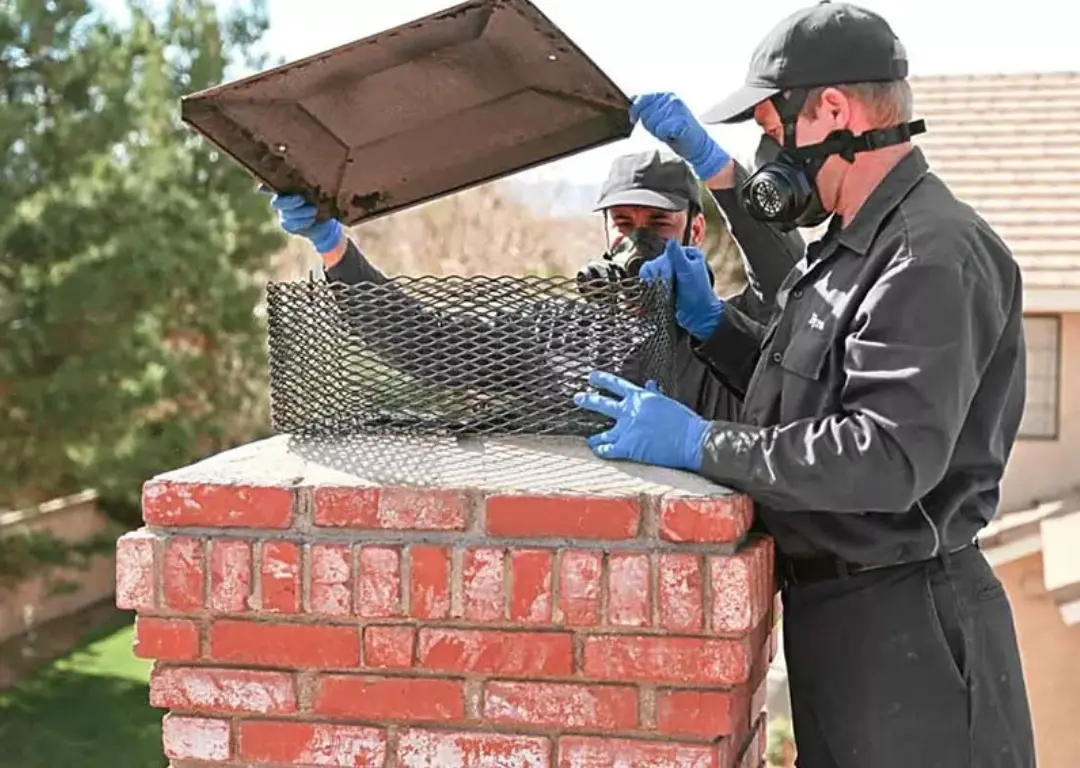
Protecting your chimney from unwanted guests is an essential task for maintaining a safe and healthy environment. Bats, squirrels, birds, rats, mice, and raccoons can all find their way into chimneys, causing potential hazards such as poor ventilation, fire risks, and even carbon monoxide poisoning.
Keeping animals out of your chimney, one must focus on securing or replacing the chimney damper and installing or repairing a chimney cap. Regular inspections and maintenance are also crucial.
In this article, we will explore effective prevention methods to ensure your chimney remains animal-free.
Key Takeaways
- Regular chimney inspections and maintenance are essential for identifying and addressing potential entry points and addressing issues that may attract animals.
- Securing the chimney damper through regular cleaning, lubrication, and prompt issue addressing helps prevent animal entry and ensures smooth operation.
- Installing or repairing a chimney cap is crucial for blocking animals from entering, allowing ventilation and airflow, reducing downdrafts, and protecting against damage from twigs and leaves.
- Seeking expert advice and assistance from chimney professionals can provide tailored solutions for specific chimney needs, expert advice on animal proofing techniques, and address concerns and issues effectively.
Prevention Methods
To prevent animals from entering chimneys, homeowners should secure or replace the chimney damper and install or repair a chimney cap. These animal-proofing techniques are essential in keeping unwanted guests out of the chimney.
Common entry points for animals include the chimney damper and the chimney cap. Chimney dampers function like a door, allowing smoke to escape when open but blocking animals when closed. However, throat dampers can still allow animals to enter.
Installing or repairing a chimney cap is another effective method to prevent animals from entering. Chimney caps not only block animals but also allow ventilation and airflow, reduce downdrafts, and protect against damage and blockage from twigs and leaves.
Regular chimney inspections, cleaning, and maintenance are crucial to identify and address any potential entry points or issues that may attract animals. Homeowners should schedule annual chimney inspections and clean and maintain the chimney regularly.
Seeking expert advice and assistance ensures that homeowners receive professional guidance and solutions tailored to their specific chimney needs. It is important to consult with a chimney professional who can provide expert advice on animal-proofing techniques and address any concerns or issues.
Chimney damper
The chimney damper functions like a door, allowing smoke to escape while blocking animals from entering. Proper maintenance of the chimney damper is crucial to ensure its effectiveness and prevent common issues. Here are some maintenance tips for the chimney damper:
- Regular Cleaning: Over time, soot and debris can accumulate on the damper, affecting its performance. Regular cleaning helps to remove any obstructions and ensure smooth operation.
- Lubrication: Applying a lubricant to the hinges and moving parts of the damper helps to reduce friction and ensure easy opening and closing.
- Inspection: Regularly inspect the damper for any signs of damage, such as rust or cracks. If any issues are detected, it is important to address them promptly to prevent further damage and potential animal entry.
Chimney cap
The chimney cap is an essential component of a chimney, preventing animals from entering while allowing proper ventilation and airflow. Chimney caps offer a range of benefits that contribute to the overall functionality and safety of a chimney.
Firstly, they effectively block animals such as birds, squirrels, and raccoons from accessing the chimney, preventing potential damage, blockage, and even fire hazards.
Additionally, chimney caps allow for adequate ventilation and airflow, reducing the risk of downdrafts and ensuring efficient combustion.
There are various types of chimney caps available, including single flue caps, multi-flue caps, and top-mount caps. Single and multi-flue caps are designed to cover the openings of individual flues, while top-mount caps cover the entire top of the chimney.
Each type offers unique features and benefits, and a professional chimney technician can help determine the most suitable cap for a specific chimney.
Annual inspections
An annual chimney inspection is recommended to ensure the safety and functionality of the chimney. Regular inspections provide numerous benefits and can help prevent costly repairs or potential hazards.
Here are some key reasons why annual inspections are essential:
-
- Early detection of chimney issues: Inspections can identify any signs of damage or deterioration before they become major problems.
- Improved efficiency: A thorough inspection can identify any blockages or build-up of creosote, allowing for proper cleaning and maintenance.
- Visible damage: Cracks, gaps, or crumbling mortar are signs that your chimney may need professional attention.
- Smoke issues: If you notice excessive smoke or strong odors while using your fireplace, it could indicate a problem with your chimney’s ventilation.
Frequently Asked Questions
How do animals typically enter chimneys in the first place?
Animals can enter chimneys through various common entry points, such as damaged or missing chimney caps, broken chimney dampers, and open flues. Preventing animal entry requires addressing these vulnerabilities. Chimney caps serve as a barrier against animals, while chimney dampers act as a door that can be closed to block their access.
Regular inspections and maintenance are essential to ensure that these entry points are secure and in good working condition. By taking these preventive measures, homeowners can effectively keep animals out of their chimneys.
Are there any specific animals that are more likely to cause damage or problems in chimneys?
Certain animals can cause damage and problems in chimneys. Bats, squirrels, birds, rats and mice, and raccoons are common animals found in chimneys. They can create issues such as blocked ventilation, fire hazards, disease risks, respiratory problems, and carbon monoxide poisoning.
To safely remove animals from chimneys, effective methods include securing or replacing chimney dampers, installing or repairing chimney caps, scheduling annual chimney inspections, cleaning and maintaining chimneys regularly, and seeking expert advice and assistance.
What are some signs that there may be animals in your chimney?
If you suspect there are animals in your chimney, be on the lookout for some telltale signs. Strange noises, like scratching or scurrying, coming from the chimney can indicate animal presence.
You might also notice a strong odor or droppings around the fireplace. Having animals in your chimney can pose several dangers, including fire hazards, respiratory issues, and even carbon monoxide poisoning.
It’s crucial to address this issue promptly to protect your home and family.
Is it possible to remove animals from a chimney without causing harm to them?
Removing animals from chimneys without causing harm is possible and should always be approached with an ethical mindset. Professional chimney technicians have the expertise to safely and humanely remove animals from chimneys. They use specialized tools and techniques to carefully extract the animals, ensuring their well-being throughout the process.
Are there any alternative prevention methods for keeping animals out of chimneys besides chimney dampers and caps?
To keep animals out of chimneys, there are alternative prevention methods besides chimney dampers and caps.
One effective method is using animal repellent, which can deter animals from entering the chimney.
Additionally, chimney screens can be installed to provide an added layer of protection. These screens act as a barrier, preventing animals from entering while still allowing for proper ventilation.
It’s important to consult a knowledgeable professional to determine the best prevention methods for your specific chimney.
Mr. Chimney Repair provides the aforementioned services; we are the chimney and fireplace specialists in Hackensack, New Jersey. We provide services ranging from chimney sweeping to complete fireplace and chimney renovations. Contact us to begin your project with a company that thousands of homeowners have relied on in maintaining your fireplace for over three decades.
